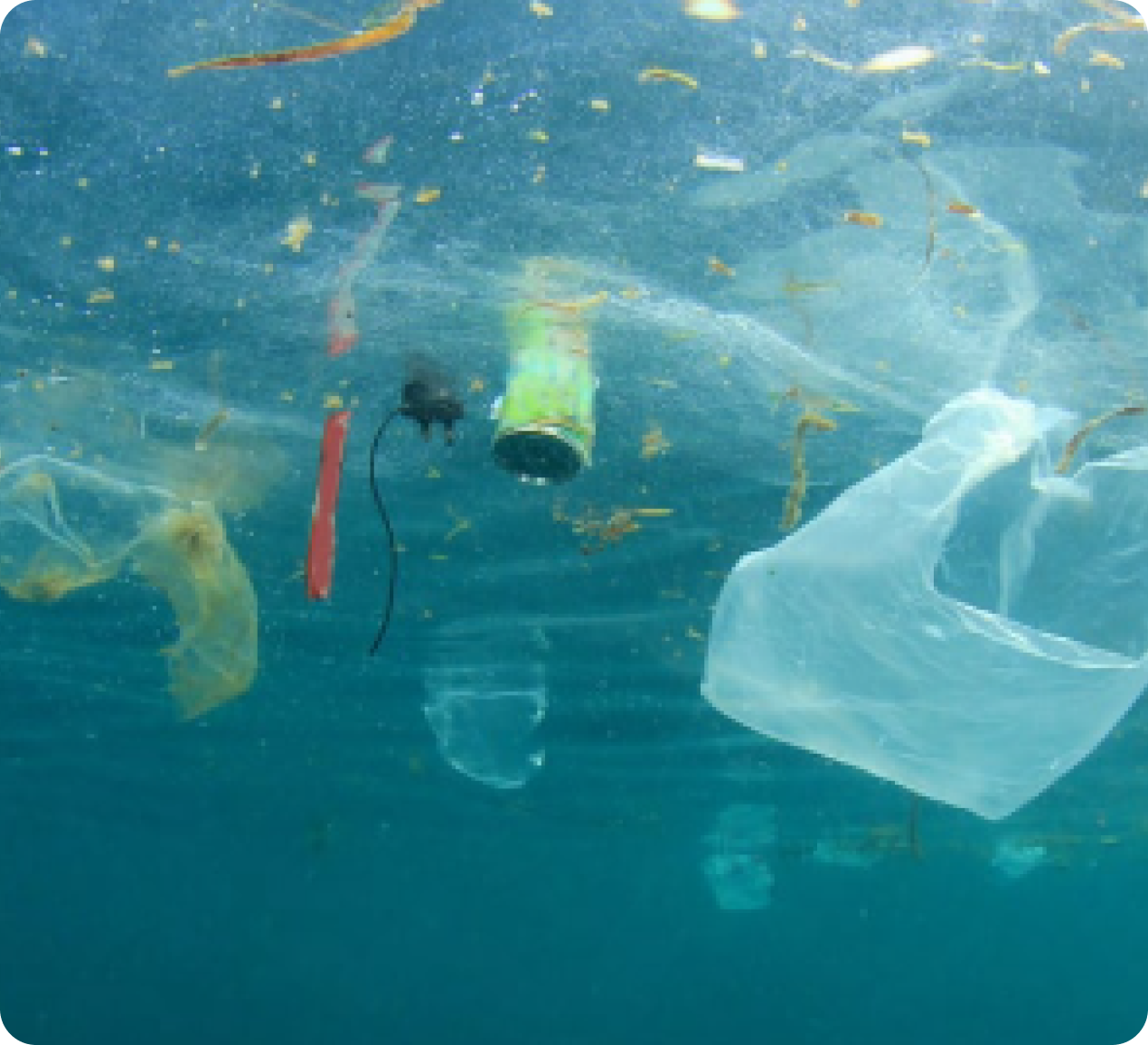
Modern Water Faces Hidden Challenges
The Growing Challenges of Today's Water
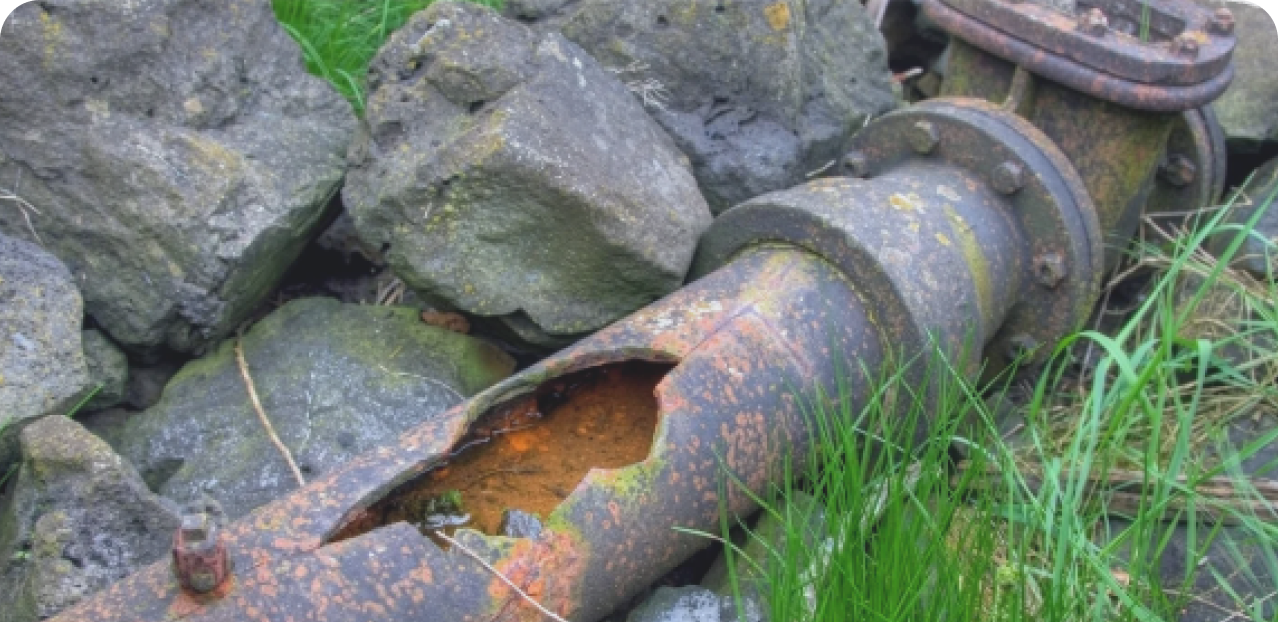
Aging Distribution Infrastructure
Most of the water in the U.S. travels through pipes that average about 50 years old, with some still in service for over a century.
Source: American Infrastructure Magazine, "Addressing America's Aging Water Infrastructure Challenges."
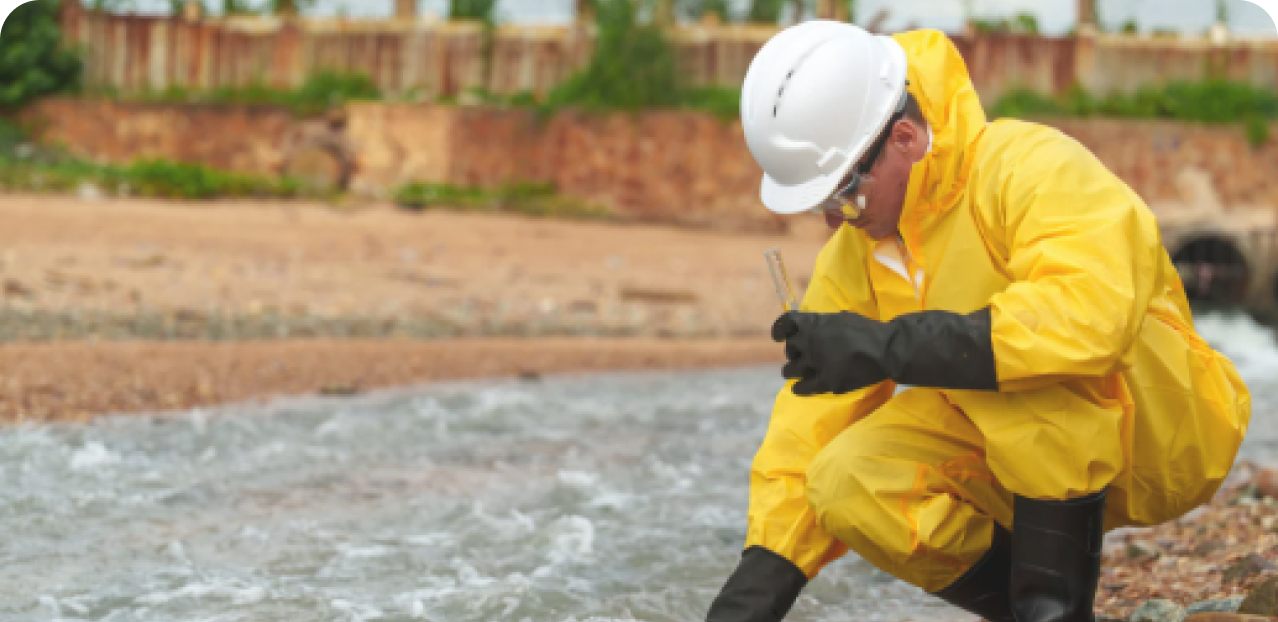
Invisible Organisms in Water
- • Water main breaks are common, and aging infrastructure contributes to an estimated 200,000+ breaks each year in the U.S.
- • Pressure losses can create conditions in which untreated water may enter the system.
- • Boil water advisories are issued as a precaution when water quality may be uncertain following disruption issues
- • Thousands of advisories occur annually across U.S. communities as a precautionary measure
Source: U.S. Environmental Protection Agency (EPA), Water Finance Center
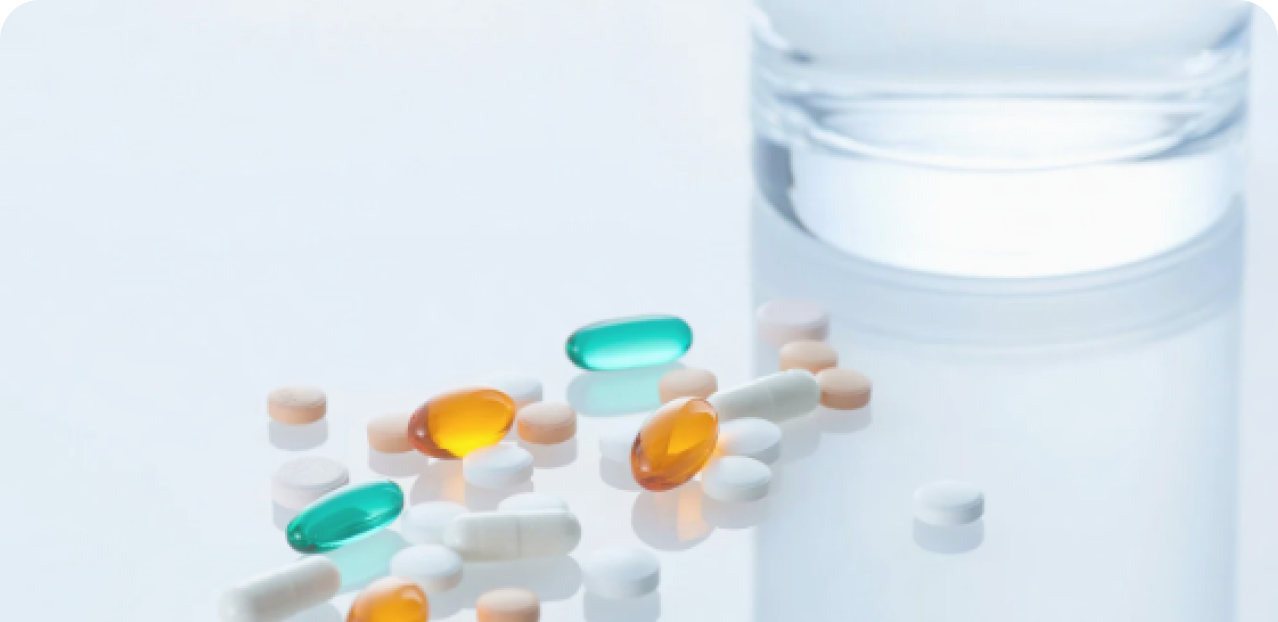
Trace Pharmaceuticals
Residues from medications and personal care products can pass through the body and enter wastewater systems. Treatment plants are not designed to remove all compounds, trace amounts may remain and may be detected at low levels in surface and drinking water sources.
Source: U.S. Geological Survey (USGS), Pharmaceuticals in Water, 2024.
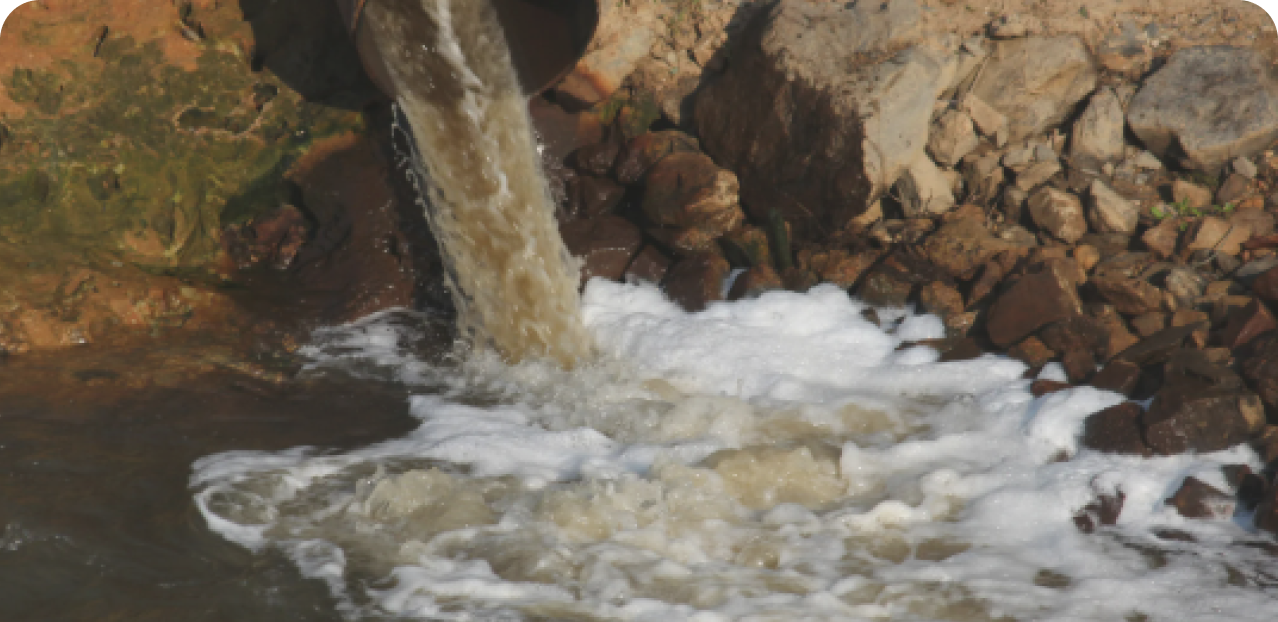
Man-Made Pollutants in Water
Water sources may be impacted by chemicals associated with farming activity and by substances released through industrial processes, including PFAS, pesticides, fertilizers, herbicides, heavy metals and solvents.
Source: Newsweek September 1, 2025
The Journey of Municipal Water
From source to tap - and everything in between
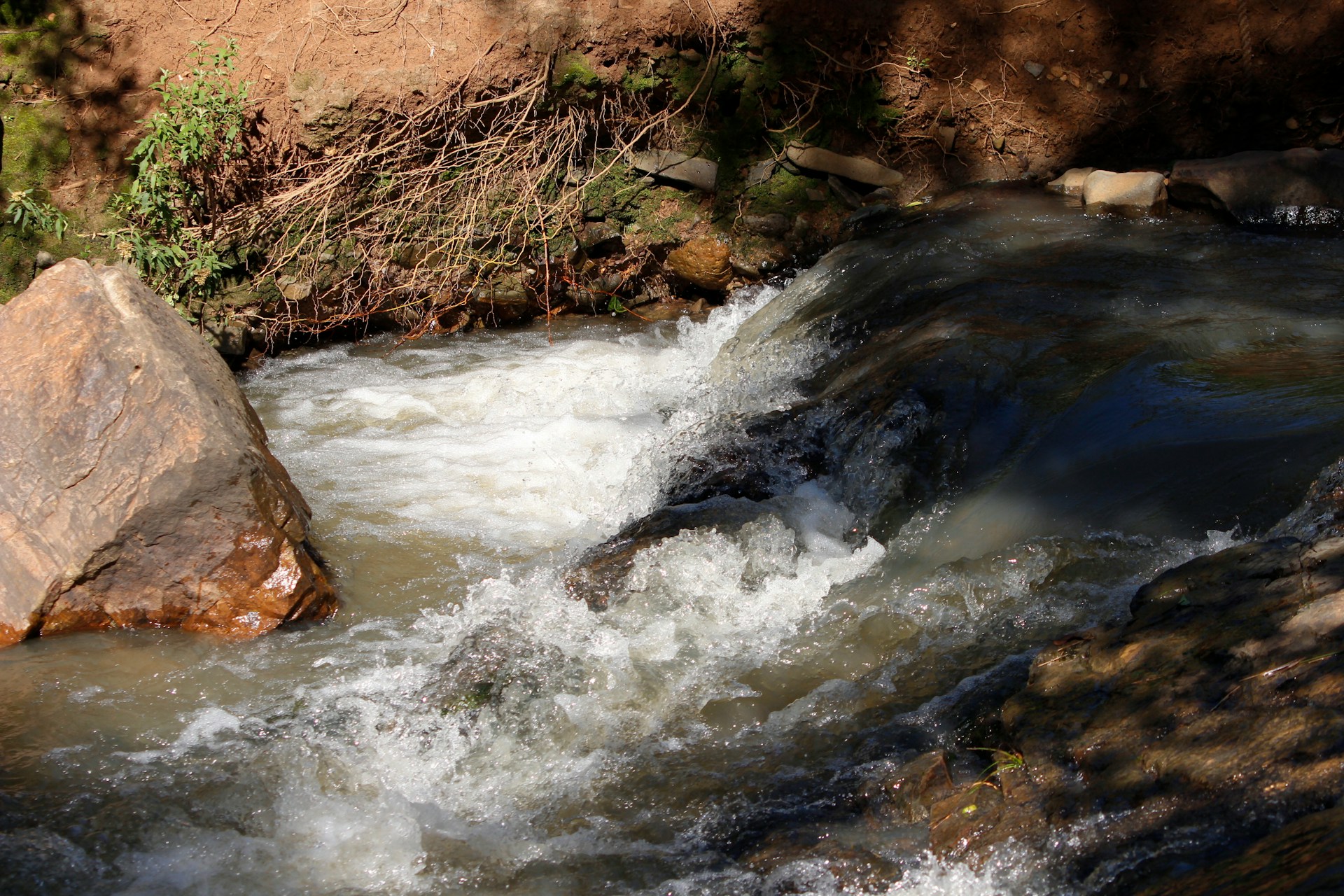
Water is Continuously Recycled
There is No New Water being created. In the U.S., water is continuously used, treated, returned, and reused. Municipal water systems in Asheville and surrounding regions deliver on the order of 20 to 25 million gallons of treated drinking water per day to residents and businesses, reflecting the scale required to serve the area.
Source: City of Asheville Water Resources Department and regional reporting
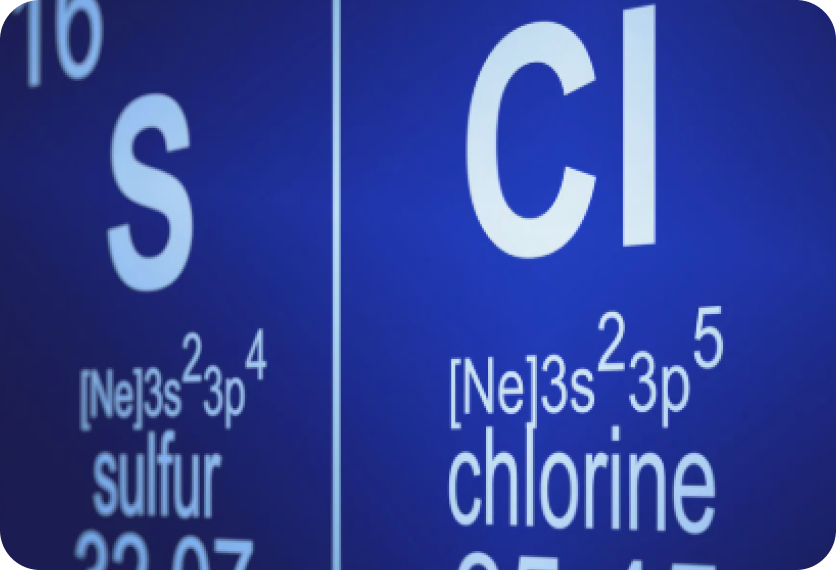
Disinfection Methods
Chlorine & Chloramines in Public Water Treatment.
- • Used to control bacteria and pathogens
- • Reduces microbial growth
- • Remains active during long-distance distribution
- • Treated water travels miles - from plant to tap.
U.S. regulations require municipal water systems to use disinfectants, most commonly chlorine or chloramines, to control bacteria during distribution.
Source: U.S. Environmental Protection Agency (EPA), Surface Water Treatment Rules and Stage 1 & Stage 2 Disinfectants and Disinfection Byproducts Rules (D/DBPR).
The Impacts of Disinfection
Treatment solves one problem - chemistry creates another.
- Disinfection byproducts form when Cl or chloramines react with natural organic material
- Trihalomethanes and haloacetic acids are the most common DBPs identified in public water systems
- Long-term exposure is the concern, which is why these compounds are regulated
- Levels can vary based on source water and treatment conditions
Source: U.S. Environmental Protection Agency (Disinfection Byproducts Rule); Environmental Working Group (EWG) water database.
Rethinking Bottled Water
The Most Common Alternative
When Confidence in Tap Water Fades
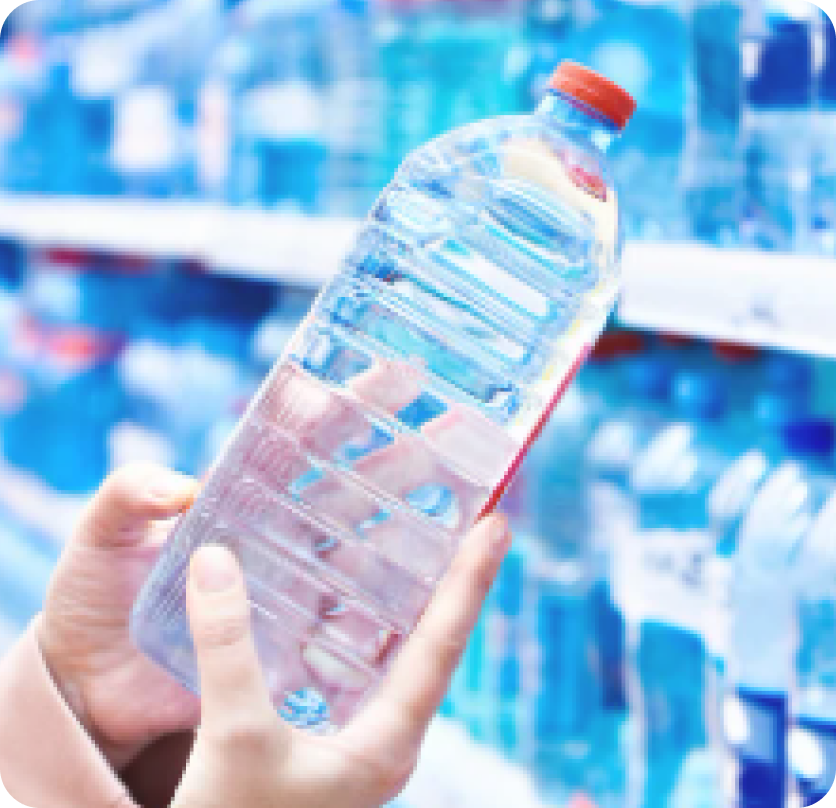
The Illusion of Safety
Clear Bottle. Clear Water. Clear Conscience?
- • Microplastics: National Academy of Sciences
- A 2024 study published in the Proceedings of National Academy of Sciences reported that some bottled water samples contained an average of around 240,000 nanoplastic particles per liter.
- • Microplastics: Columbia University & Rutgers
- A 2024 Columbia/Rutgers study analyzed bottle water from three popular U.S. brands and detected 110,000-370,000 microscopic plastic particles per liter.
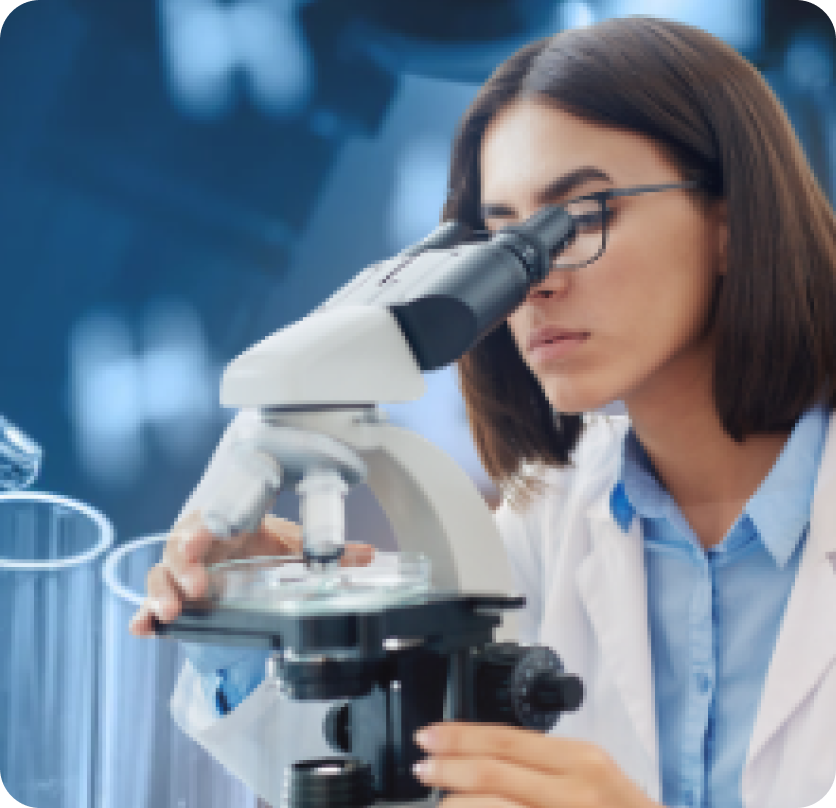
Microplastics & Human Biology
What Scientists are Beginning to Discover
- Blood- particles identified circulating in laboratory samples
- Lung tissue- detected during surgical tissue analysis
- Arterial plaque- documented in a 2024 Nature Medicine study
Why scientists are studying this:
- Microplastics are widespread in water, food, and packaging
- New microscopy tools now allow detection of extremely small particles
- Early research aims to understand how these particles enter the body and where they travel.
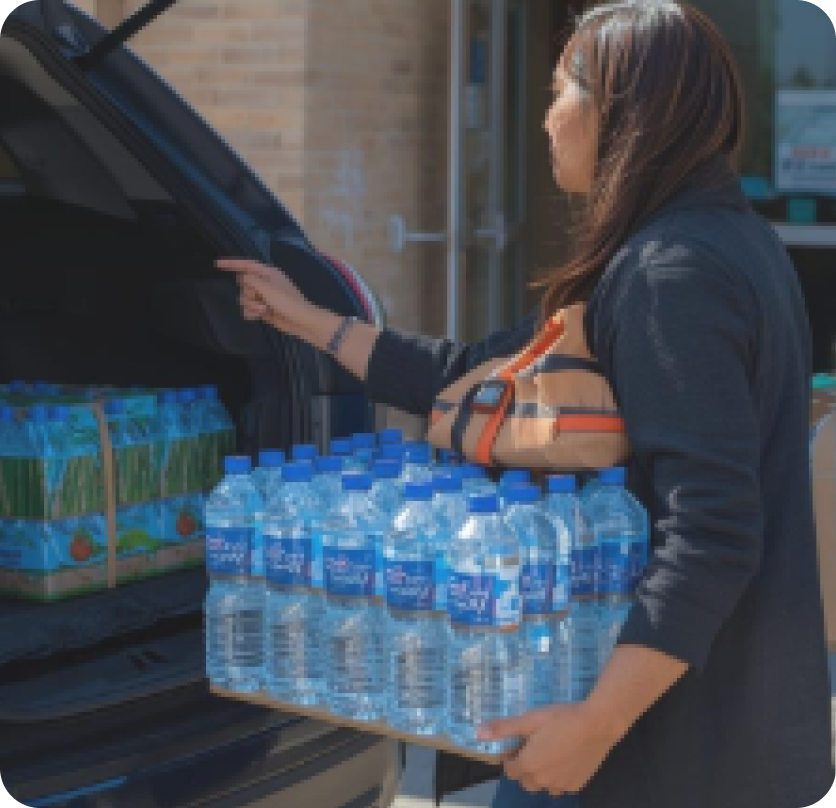
Why Bottled Water Falls Short
Convenient - but Limited
- Limited Use: Bottled water typically replaces drinking only, while cooking, bathing, and daily household water still come from the tap.
- Testing Scope: Bottled water is tested at the bottling facility, but it is not routinely monitored during storage, shipping, or how long it sits before use.
- Recall Reality: FDA records show bottled water has been recalled at times, sometimes involving large volumes
- Long-Term Cost: For families who rely heavily on bottled water, annual spending can add up quickly.
The Growing Challenges of Today's Water
Modern Water Faces Hidden Challenges
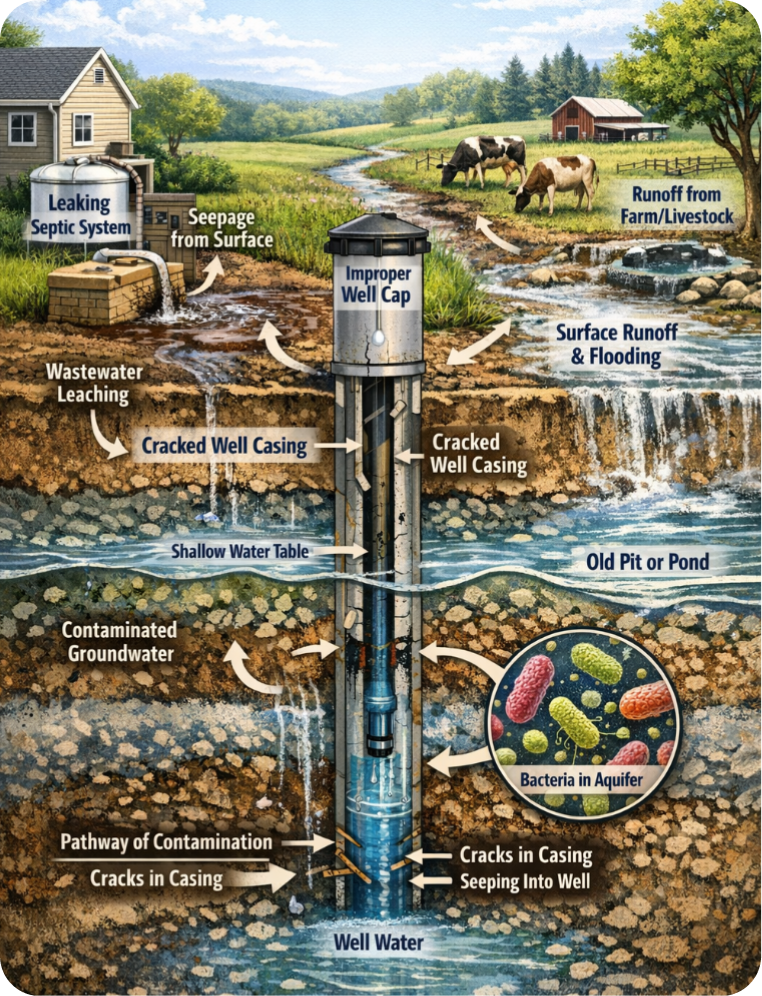
Specific contaminants and Health Concerns:
- Coliform Bacteria- signals presence of pathogens
- E. coli- Acute gastrointestinal illness; severe risk to children
- Iron Bacteria- promotes biofilm and pathogen survival
- Sulfur Bacteria- supports biofilm, odors
- Pathogenic Bacteria (general)- Diarrhea, vomiting, infection.
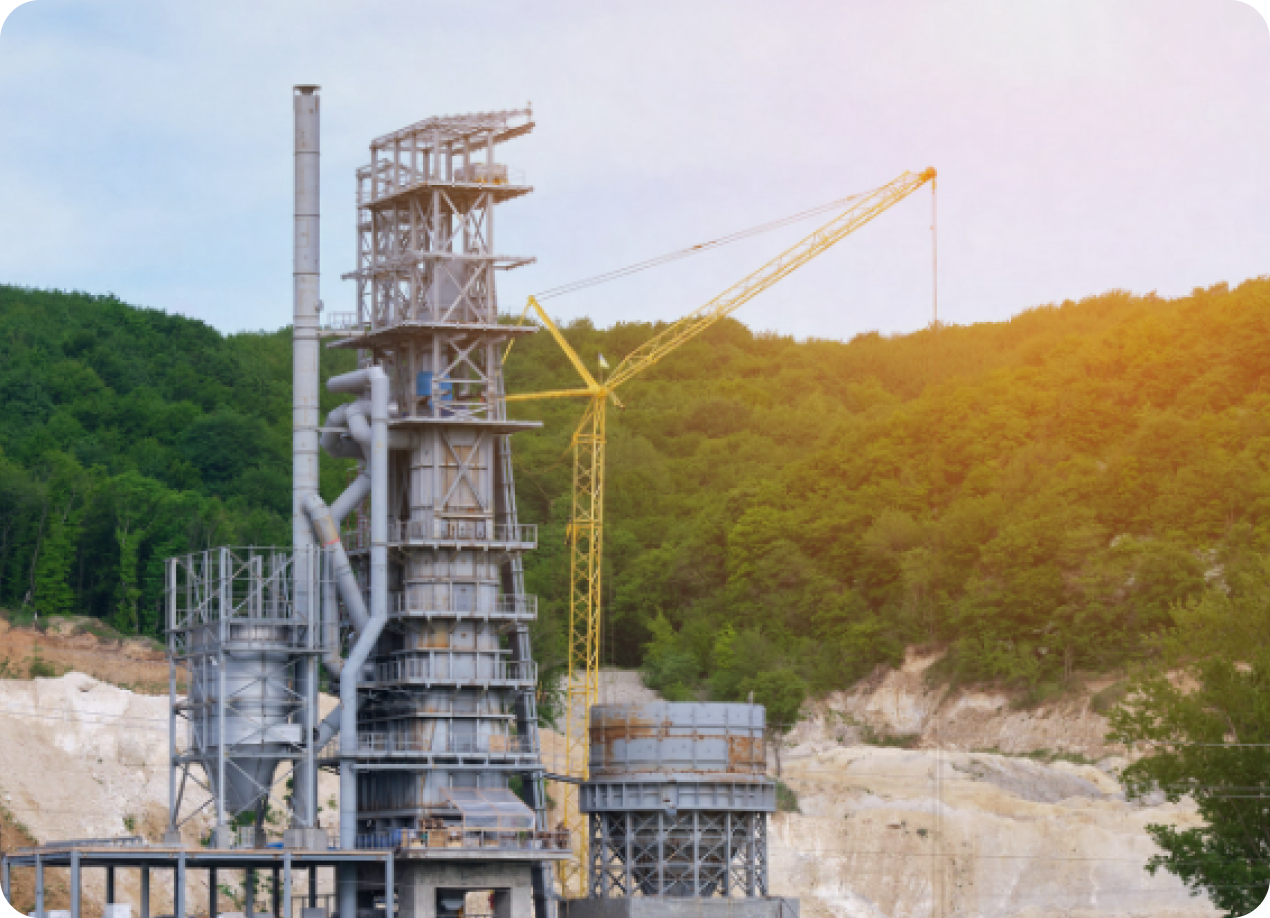
Radiological Contaminants
Specific contaminants:
• Radium
• Uranium
Typical Source:
• Geological
Primary Health Concerns:
• Bone cancer risk
• Kidney toxicity; cancer risk
Emerging Contaminants
Specific contaminants:
• Microplastics
• Pharmaceuticals
• Endocrine Disruptors
Typical Source:
• Environmental degradation
• Septic systems
• Consumer chemicals
Primary Health Concerns:
• Inflammation; chemical vector (under study)
• Hormonal and metabolic disruption (emerging evidence)
• Hormonal imbalance; reproductive effects